The library
Articles
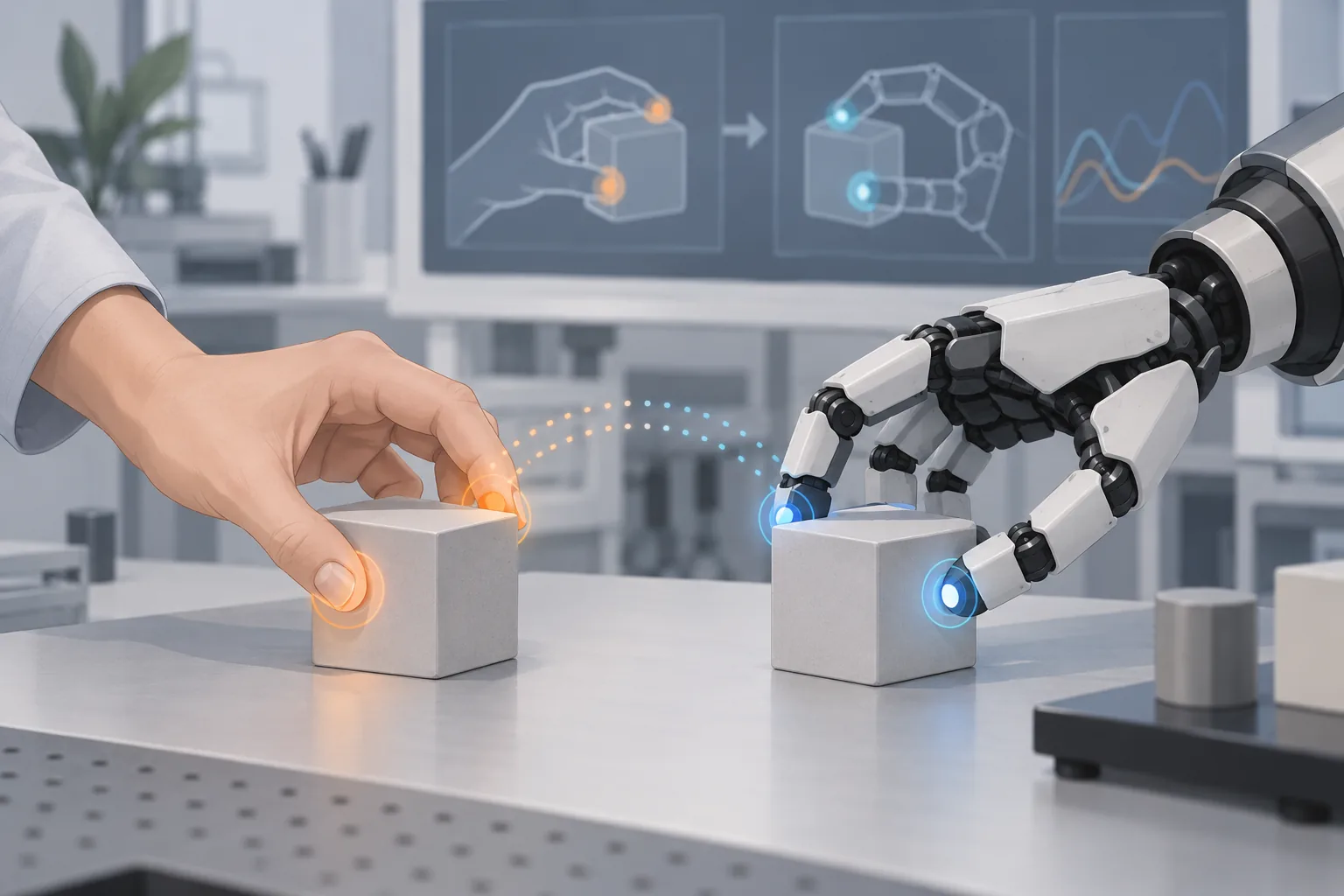
Touch2Robot brings a robot hand’s predicted touch into human data collection
Touch2Robot reconstructs and displays how a target robot hand would contact an object during human data collection. In four real-world tasks, its authors report improved replay completion, shorter collection time per successful demonstration, partial agreement with robot tactile measurements and stronger downstream Diffusion Policy performance than with visual-only feedback.
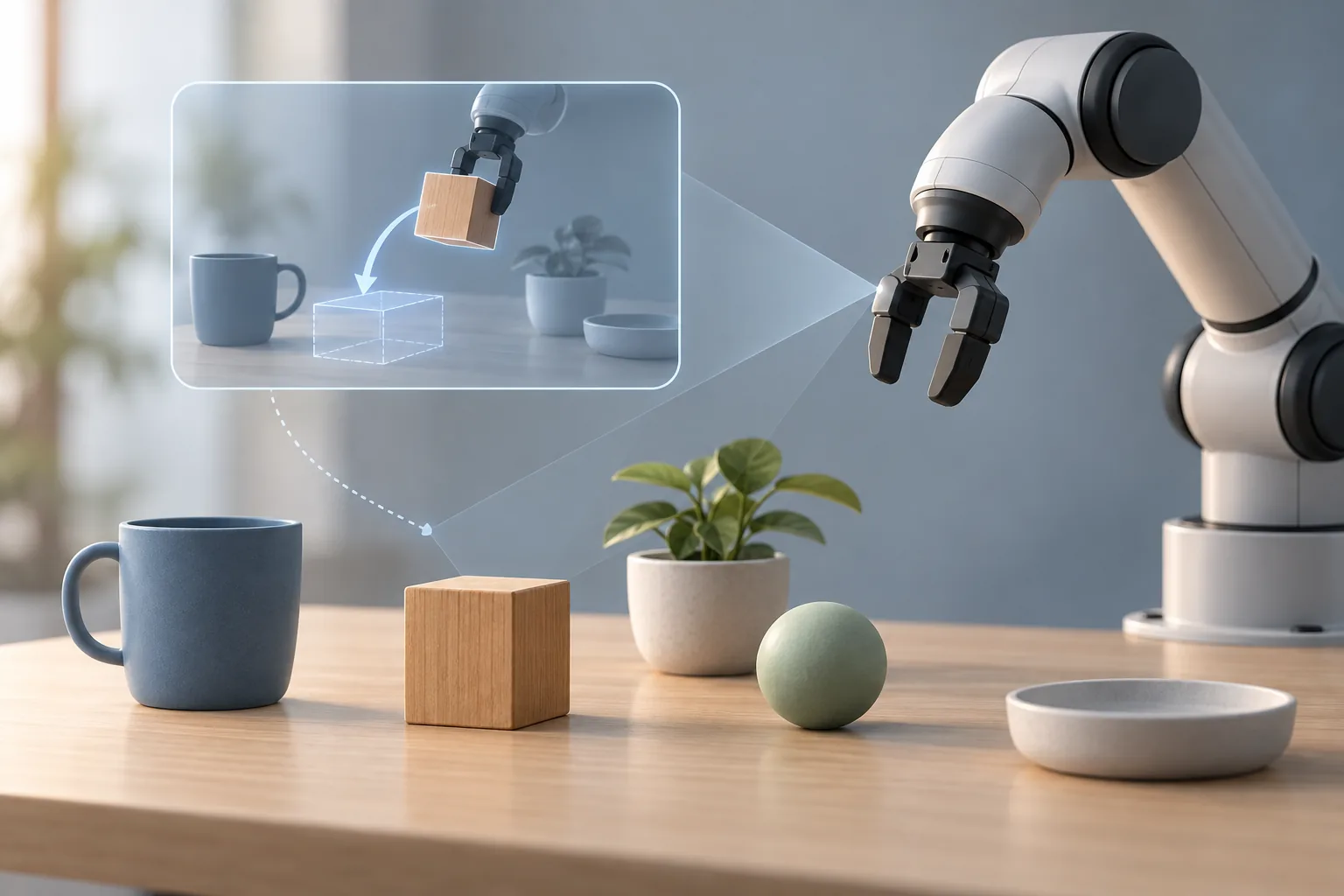
Inside SLIP-VLA’s Single-Step Latent Look Ahead
SLIP-VLA creates future latent representations with one denoising update, aligns them with geometric and semantic features, and connects predicted transitions to robot actions. Its performance and 12 ms latency are claims reported by the preprint’s authors.
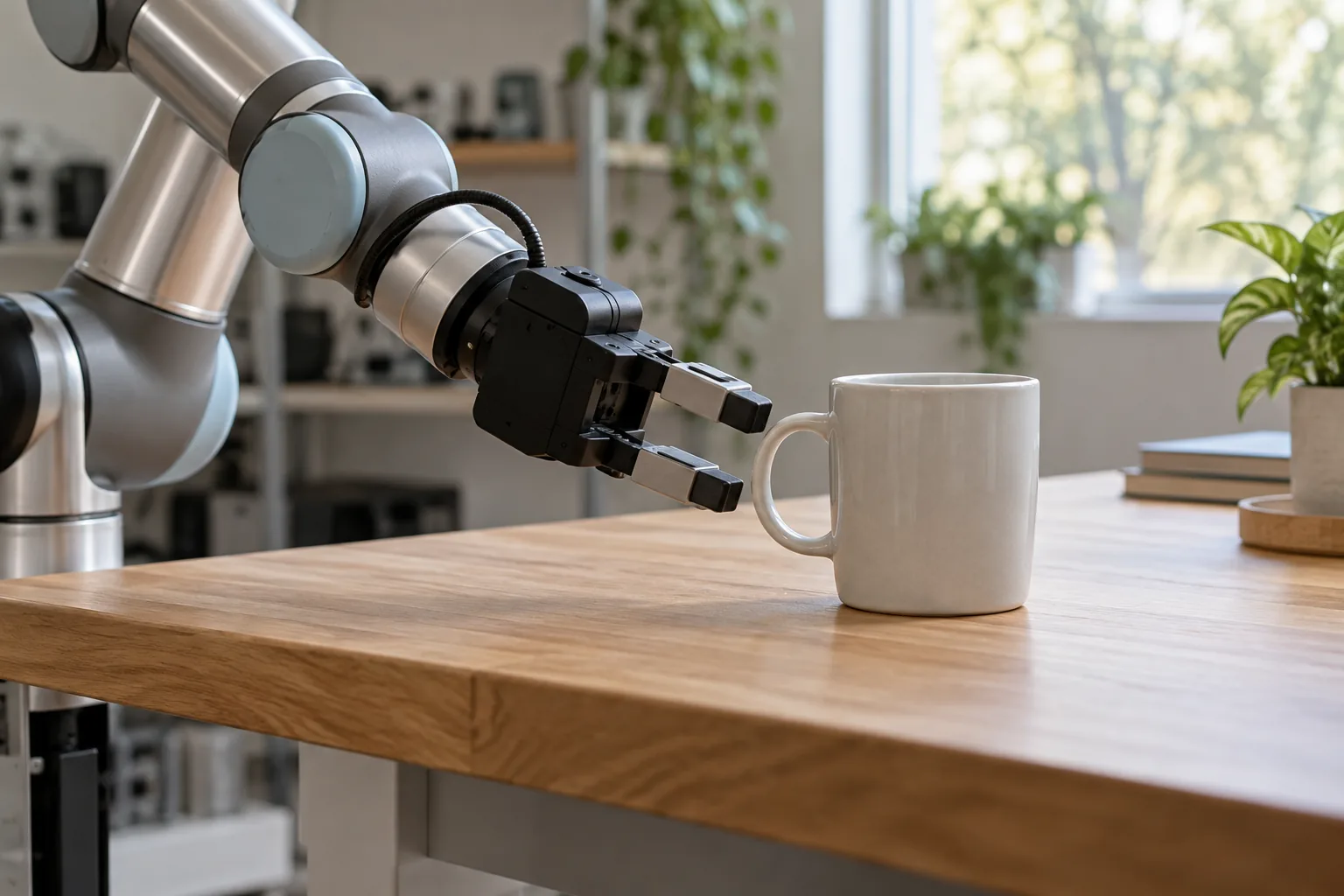
How can a robot choose a grasp that fits the task?
GraspTwin combines a task-aware visual proposal with physics-based local grasp optimization. Its reported results distinguish simulation from a small physical test.
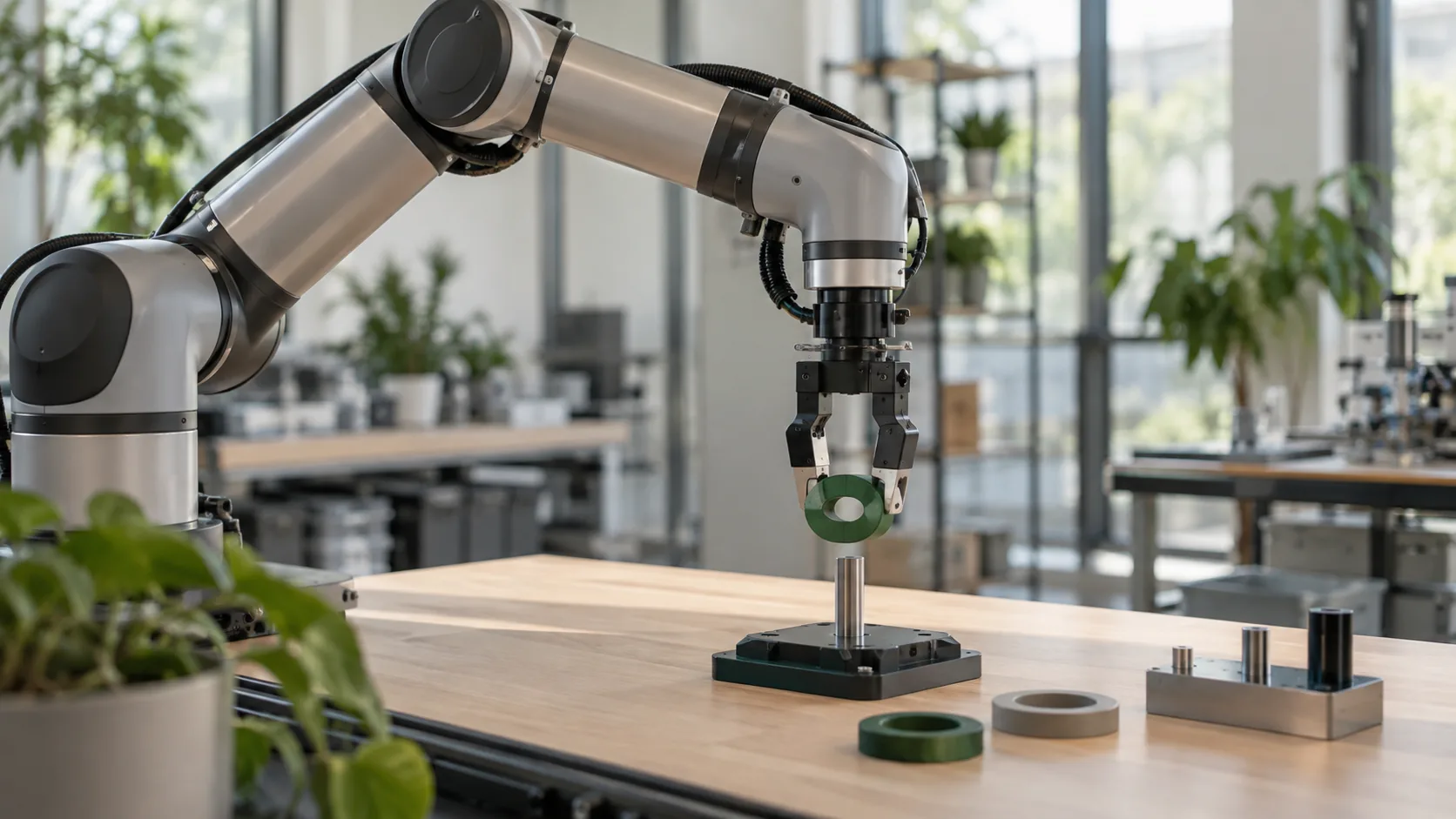
Can a robot use failed trials to adapt to joint offsets?
A policy post-trained for injected joint offsets used previous reset trials as context to regain success on four physical manipulation tasks, with clear limits.
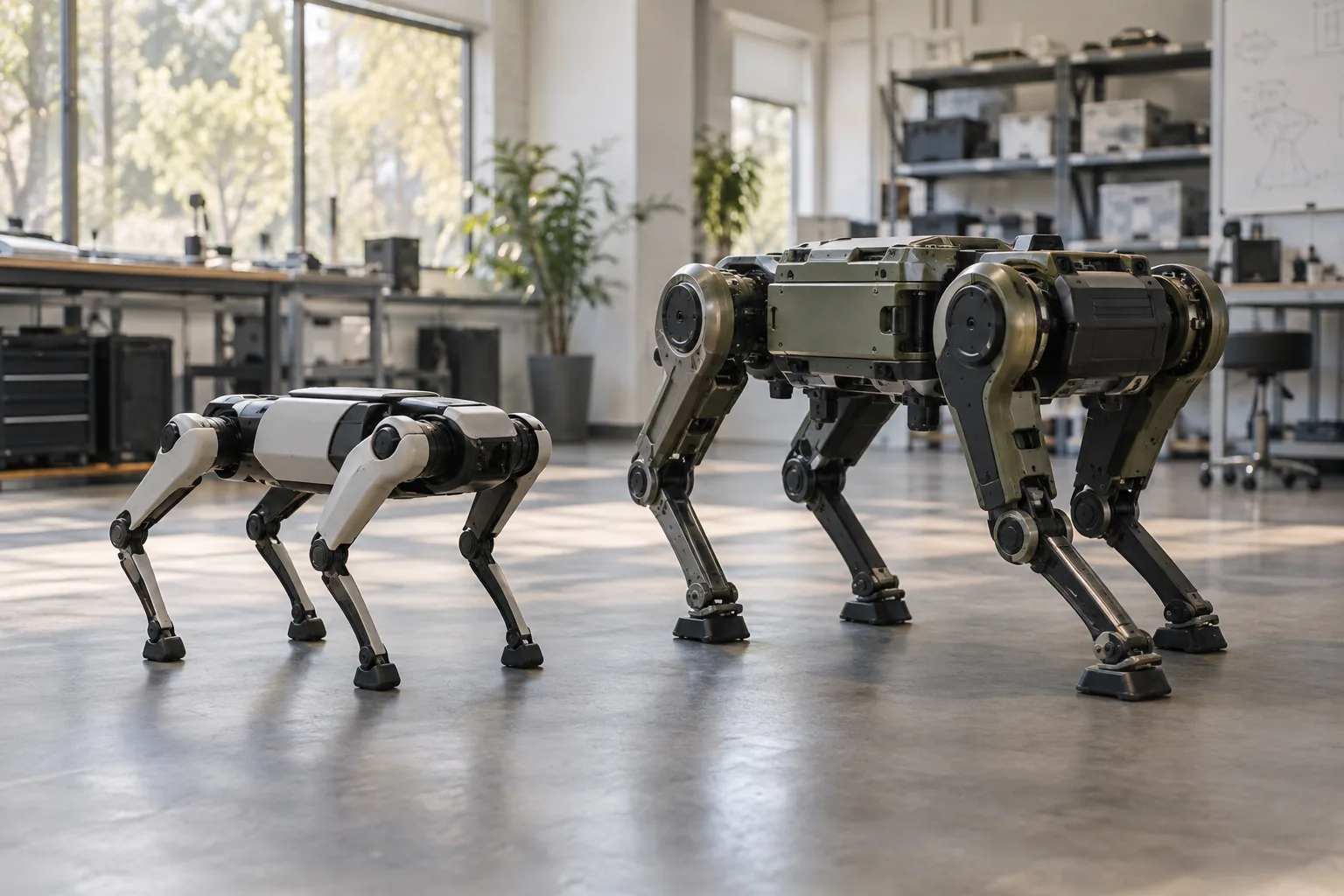
Can a learned robot gait work on a different body?
MorFiC's conditional quadruped transfer, the contrast between speed and survival, physical Go1 and Go2 trials, and the limits shown by B1.
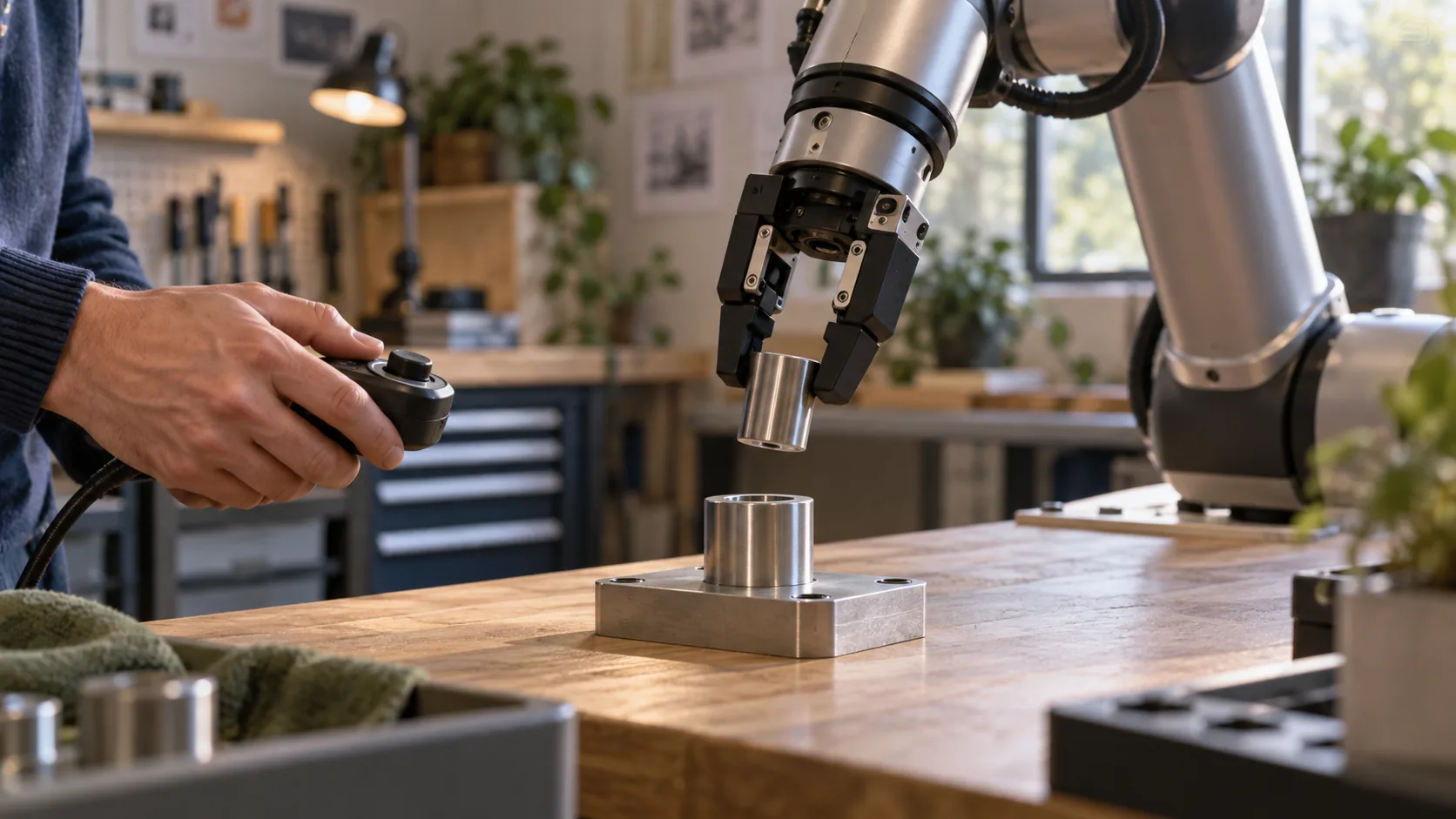
Can human corrections teach a robot more than imitation?
Bee uses the consistency of human corrections to constrain a robot policy, with results from three physical tasks and one simulation.