The library
Articles
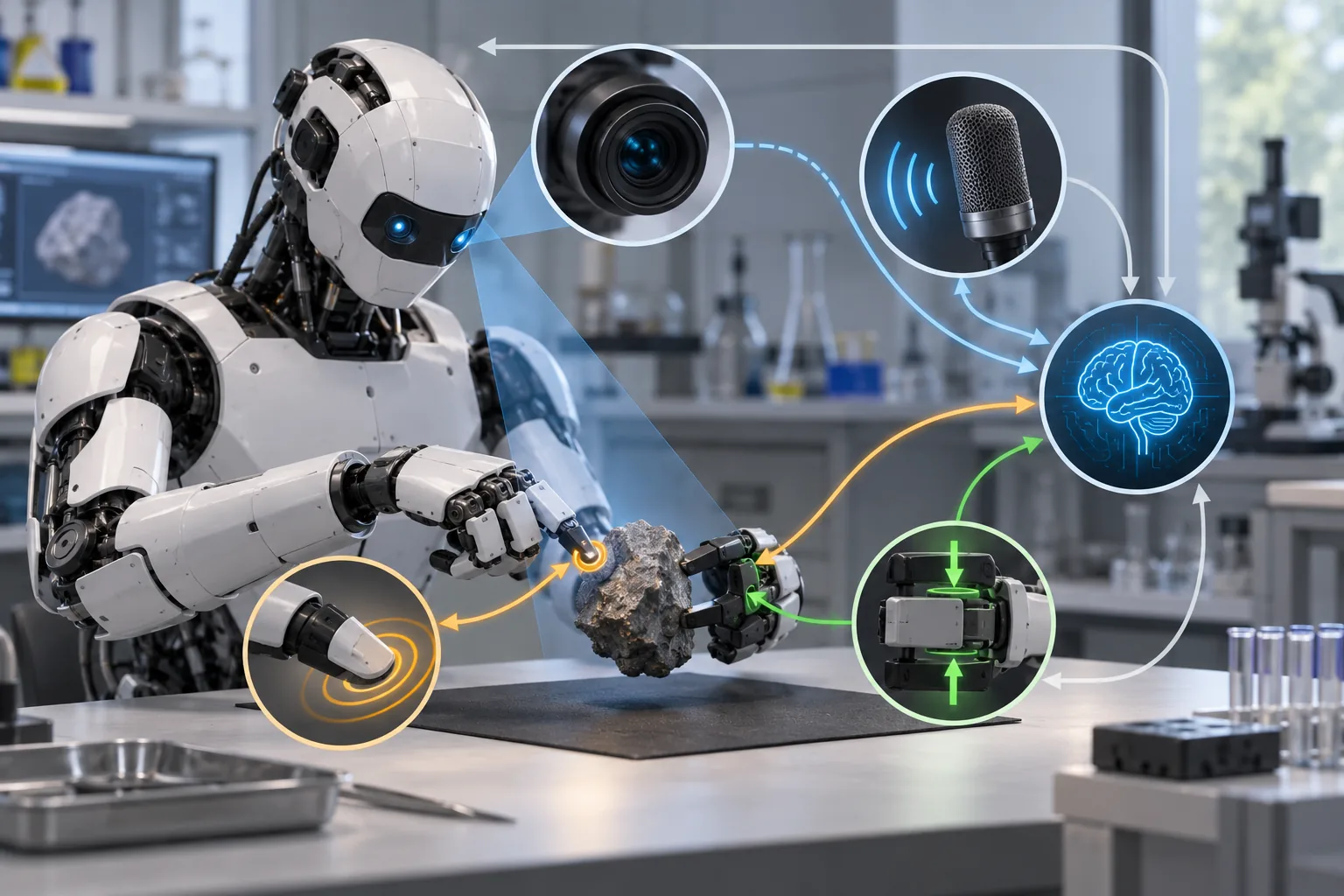
ROMA’s Authors Propose an Active Perception Loop
ROMA is a proposed active-perception system that identifies an evidence gap, chooses what object to test and how to test it, then incorporates newly collected multisensory feedback into its reasoning loop.
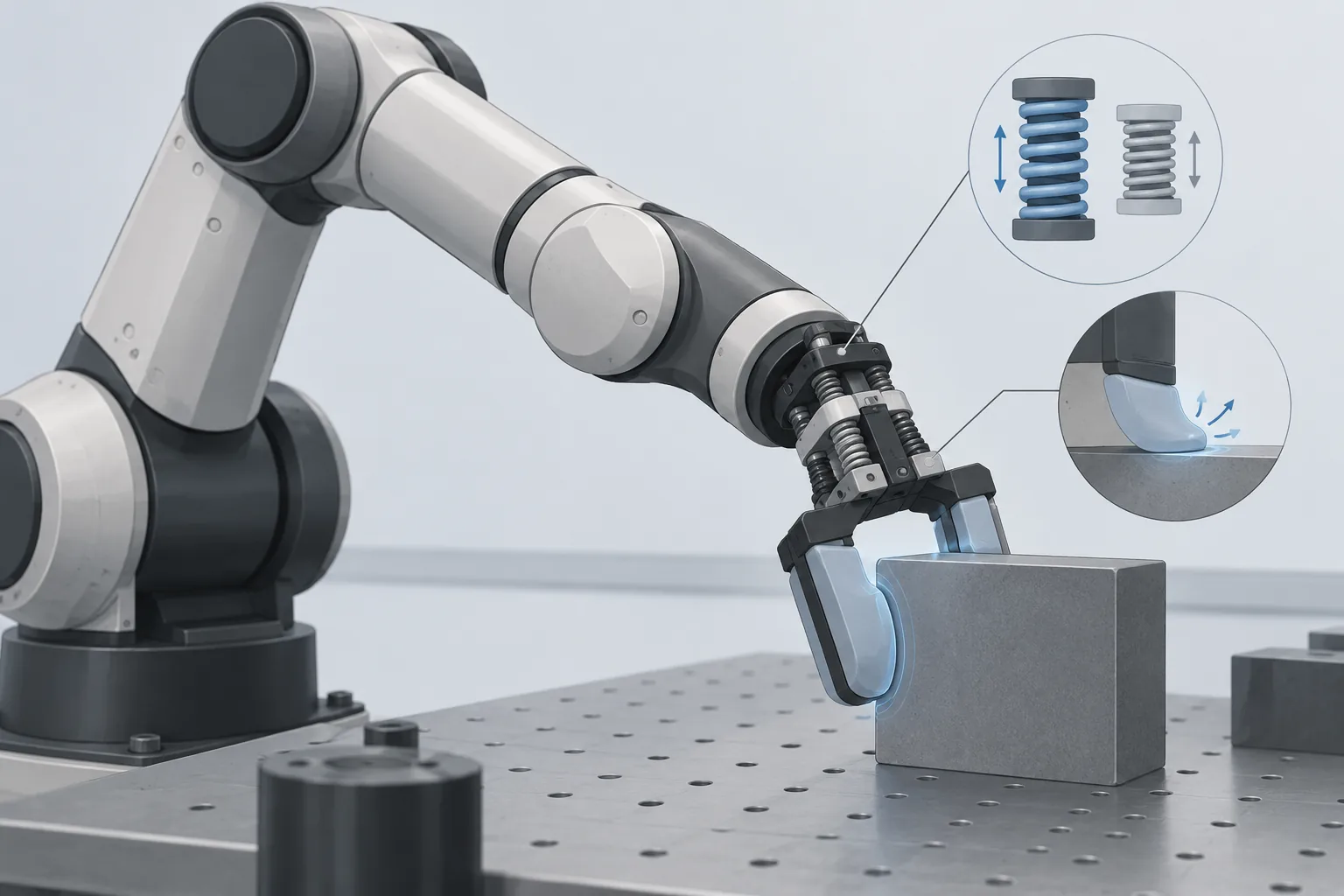
CompVLA gives vision-language-action robots variable stiffness
CompVLA pairs motion prediction with a Compliance Expert that produces time-varying stiffness and virtual displacement profiles for geometric impedance control. Its reported comparative performance remains a claim by the preprint authors.
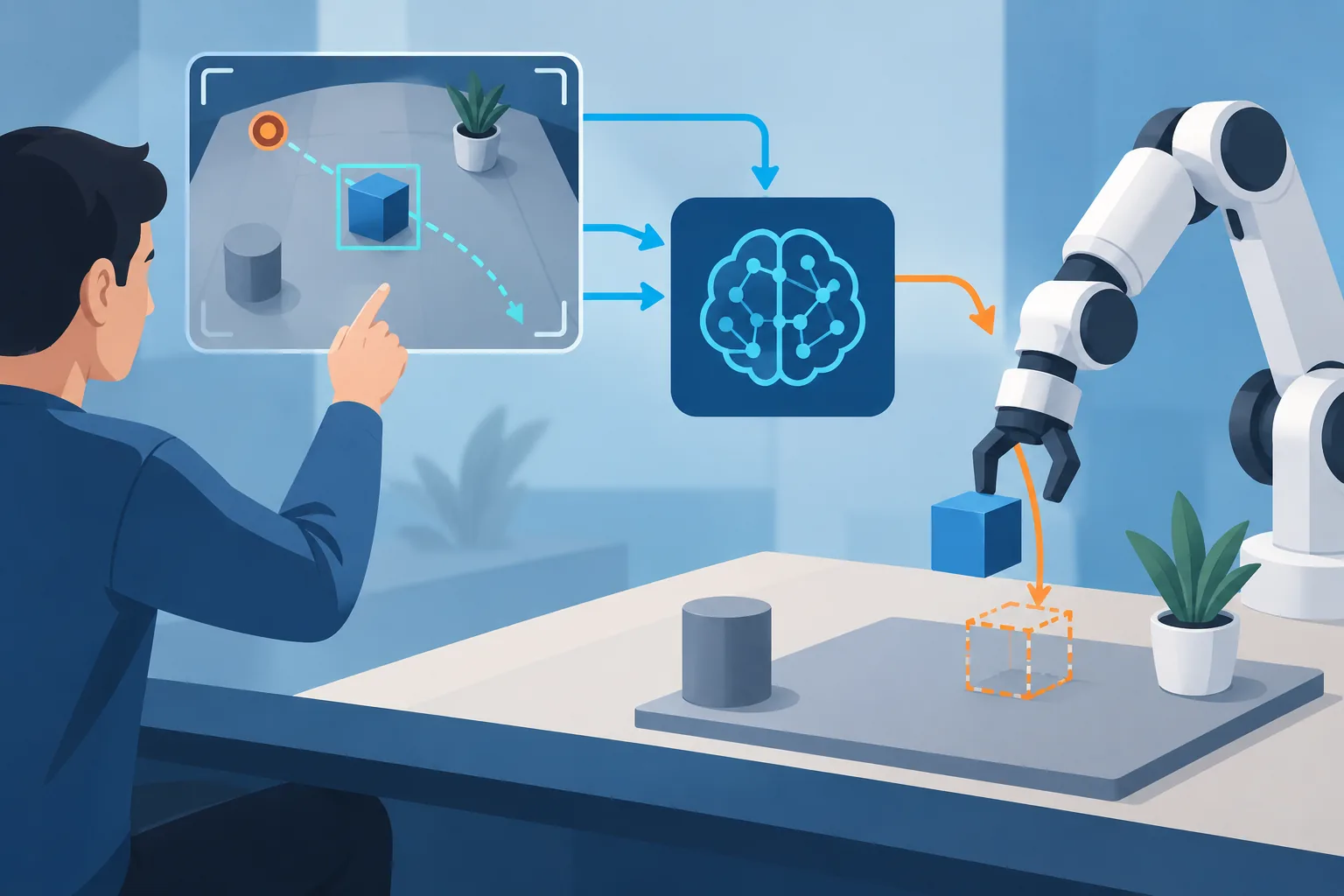
How GTA-VLA Uses Visual Cues to Steer Robot Decisions
The authors report an 81.2% success rate on the in-domain SimplerEnv WidowX benchmark.
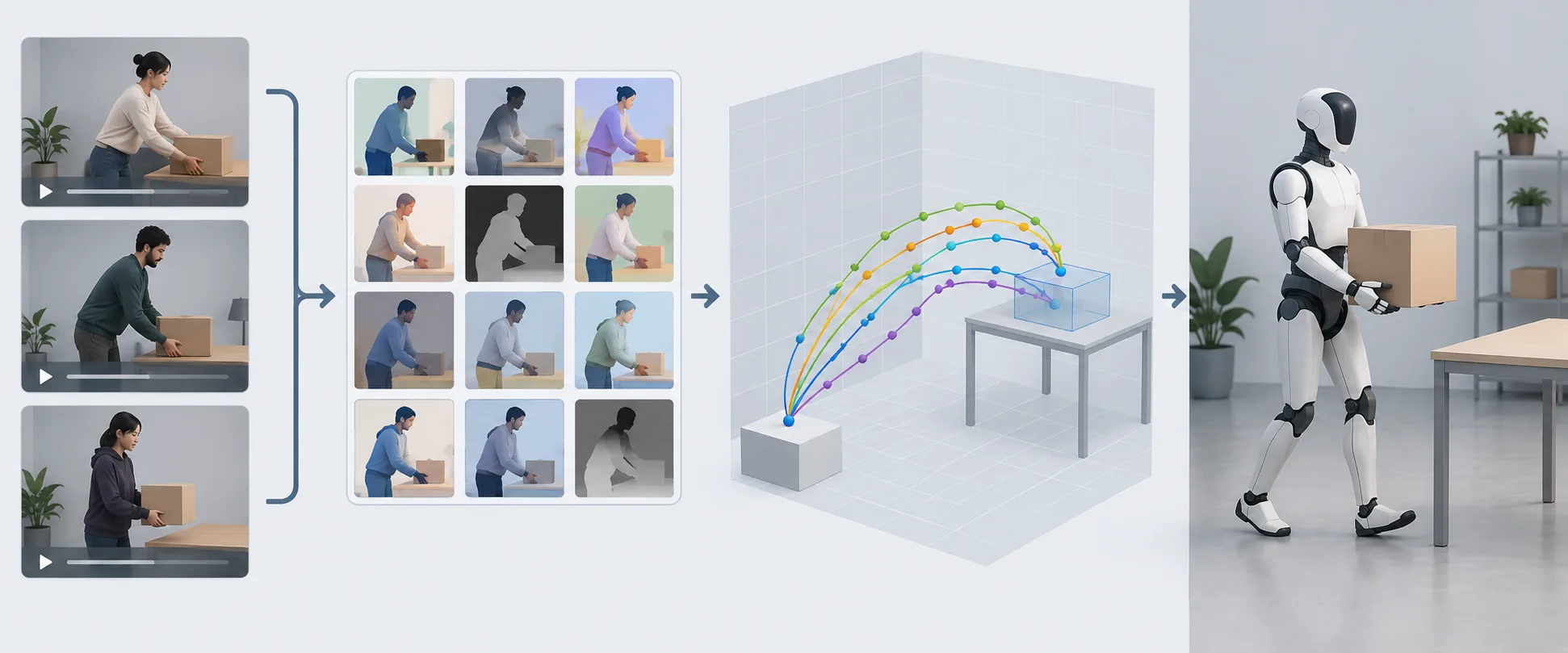
How PRISM Multiplies Humanoid Training Examples With Counterfactual Video
PRISM uses video-to-video generation to amplify a few human-object interaction recordings into hundreds of varied examples, then reconstructs and retargets their motions into physically plausible trajectories. Its authors report category-level generalization and deployment on a real humanoid without real-world fine-tuning.
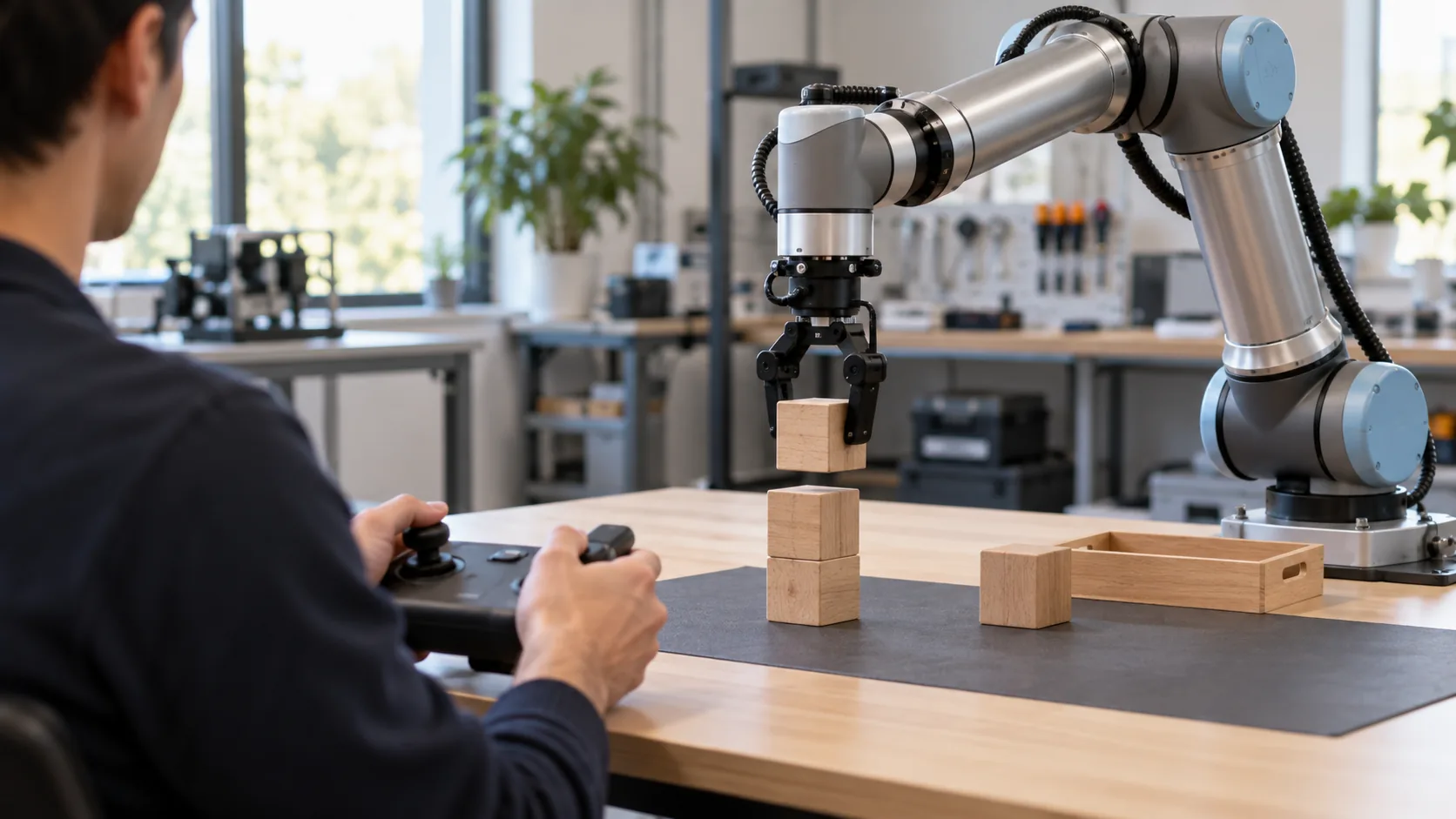
How do robots learn from human demonstrations?
Human-guided recordings pair camera observations with actions. LeRobot trains a network to imitate trajectories, then uses an autonomous rollout to run the trained policy on the robot.
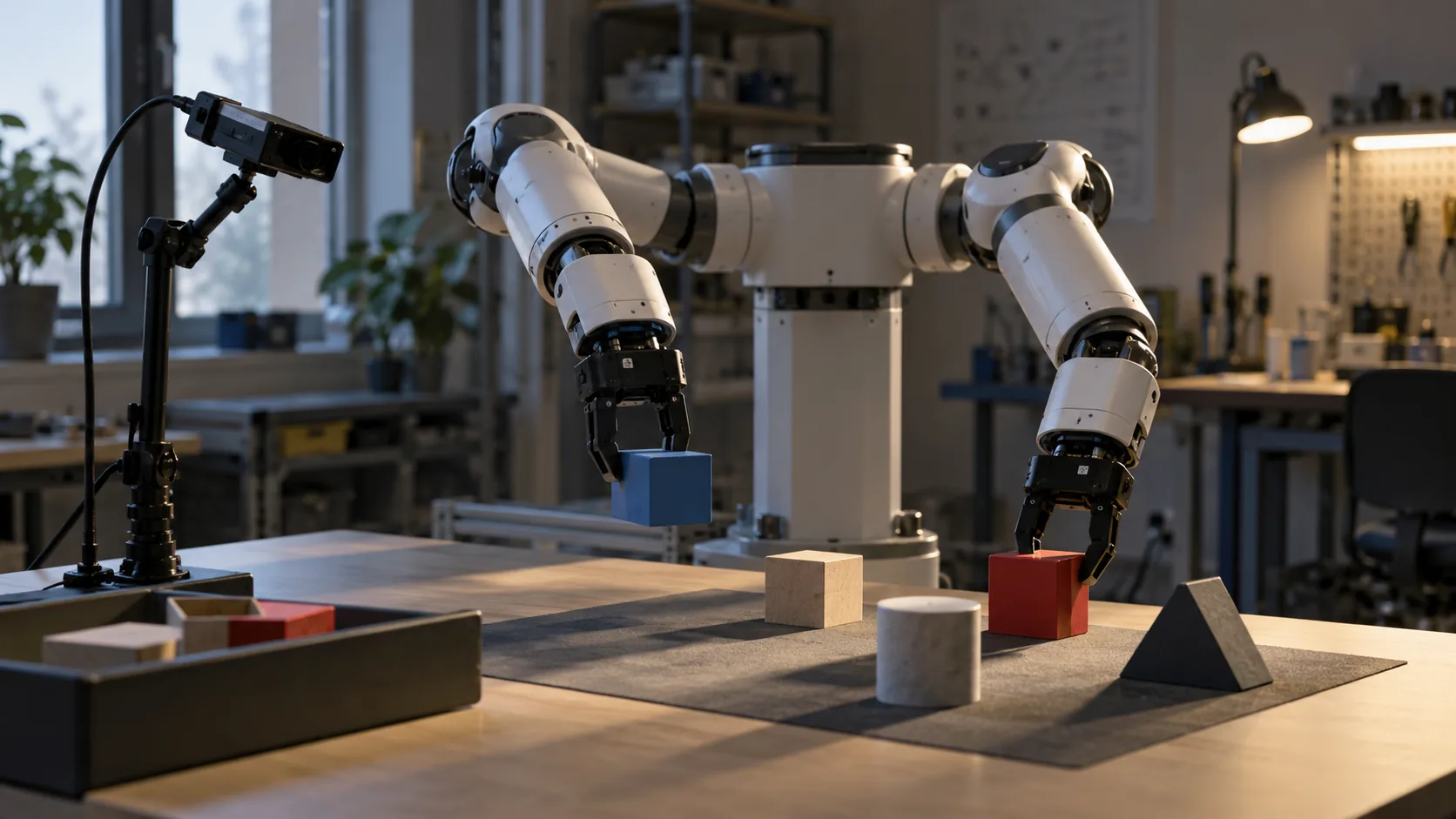
Can camera processing change a robot's apparent manipulation skill?
RawVLA tests how camera image processing changes robot manipulation results under altered light, with a small physical trial and clear limits.