The library
Articles
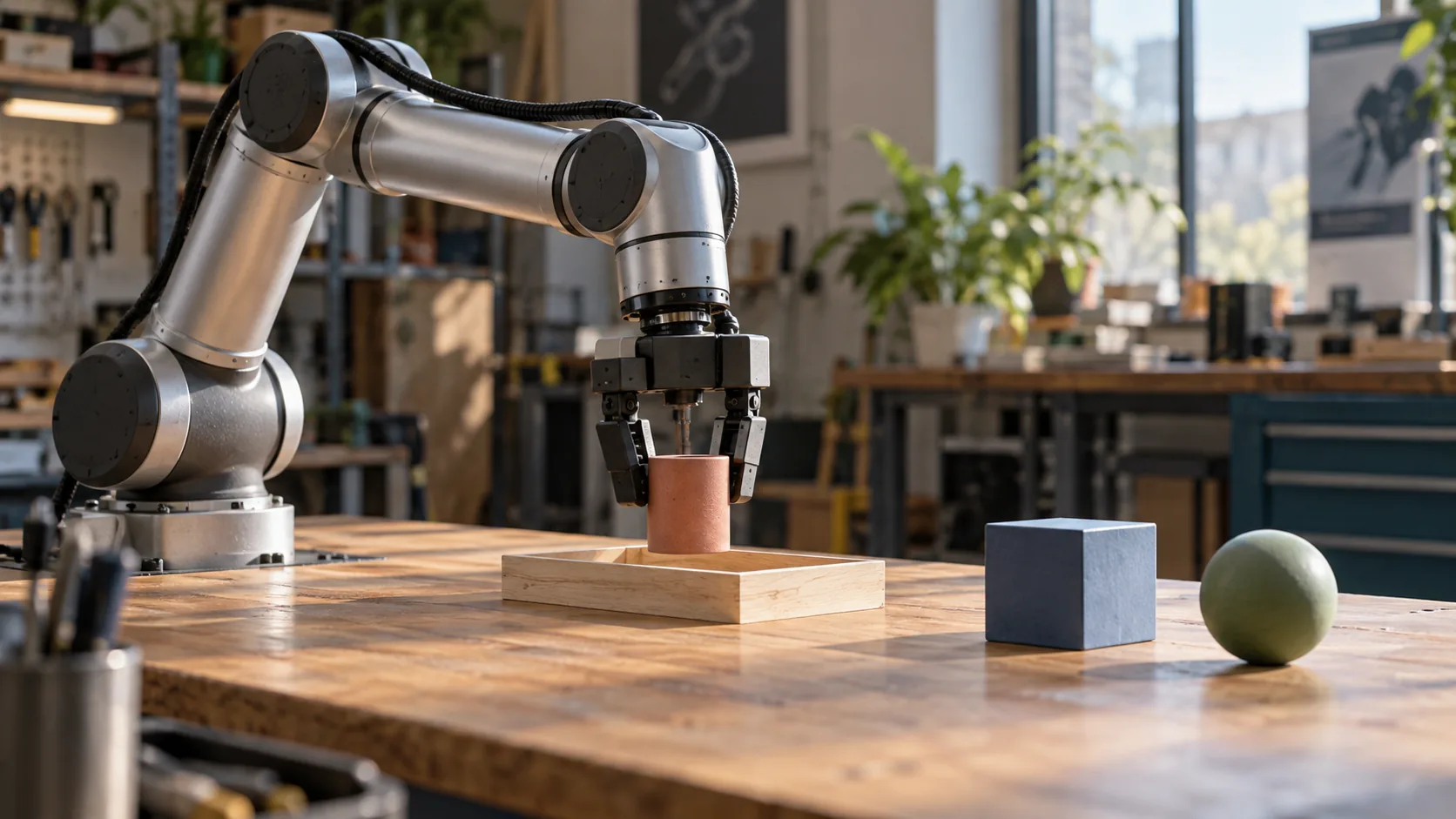
How can we tell whether a robot has learned a skill?
A practical framework for assessing robot skill claims through defined success, held-out tasks, varied conditions, physical tests and recovery.
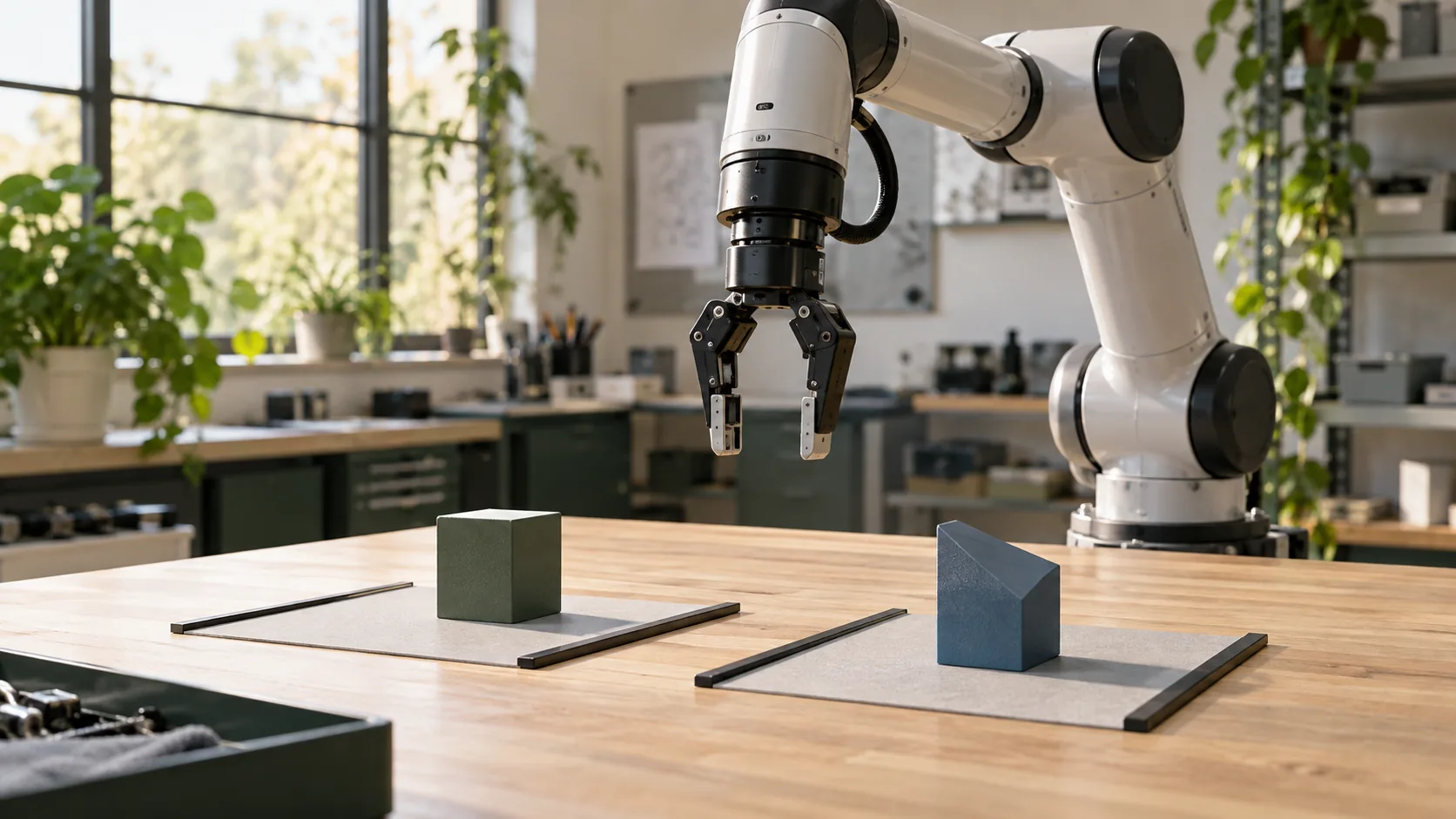
Why is one robot benchmark score not enough?
Why robot benchmark results need task, metric and hardware context, with examples from physical pairwise comparisons and object-shape stress tests.
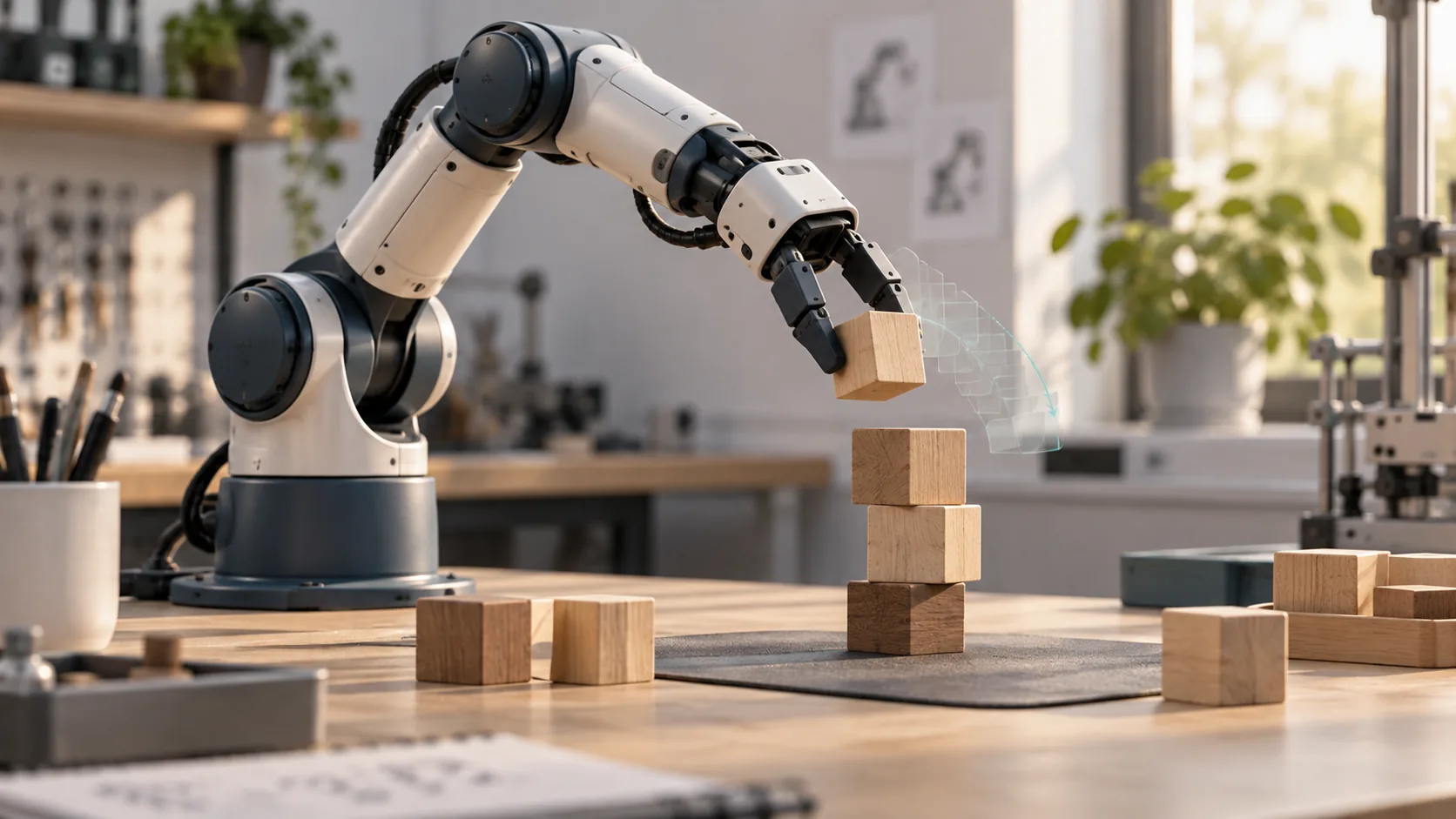
How does reinforcement learning teach a robot through trial and feedback?
How task-specific rewards guide robot learning, illustrated by bounded physical walking and grasping studies.
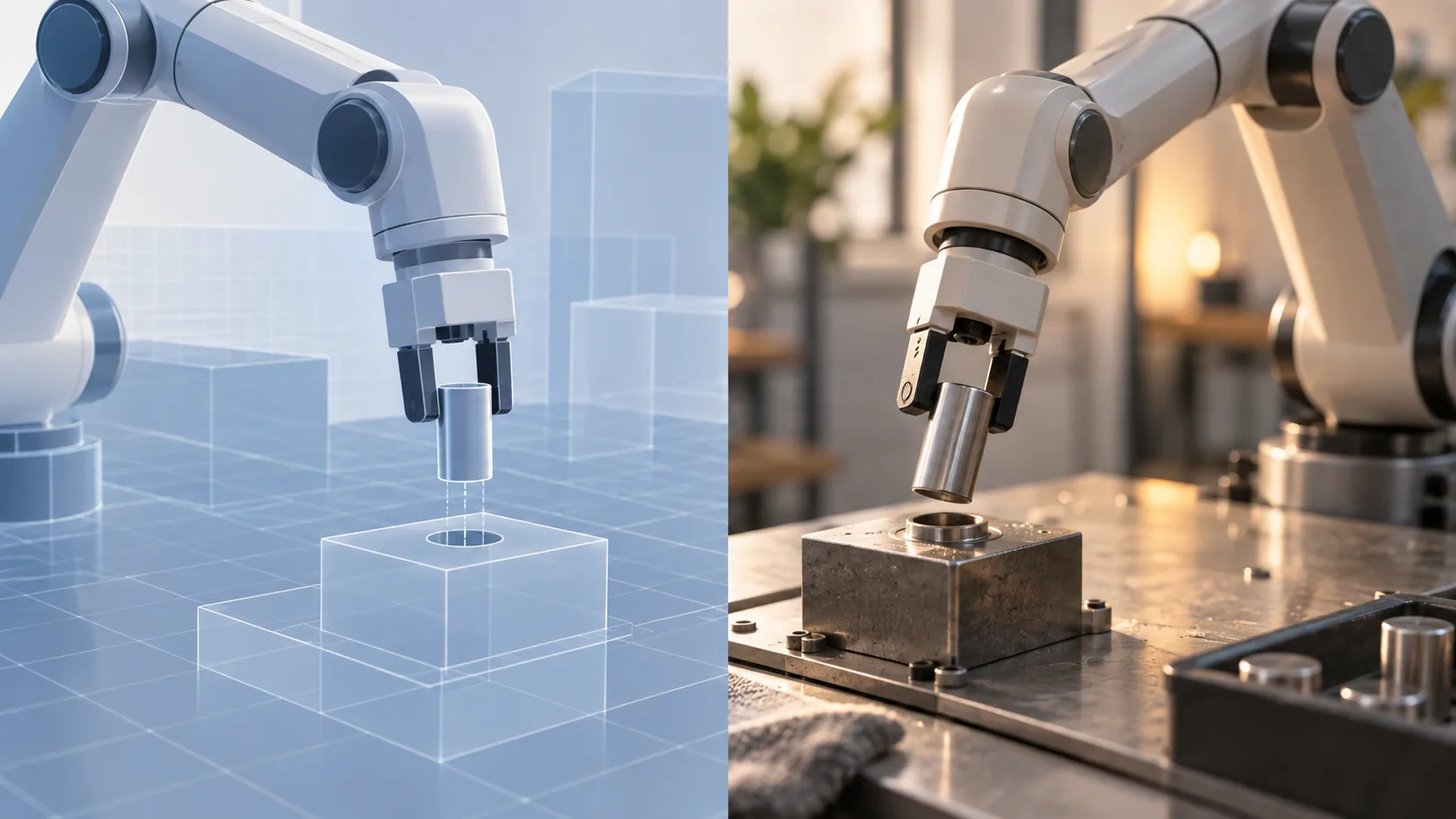
Why can a robot trained in simulation fail in the real world?
Why simulator observations and physics can differ from hardware, with varied simulation, human correction and physical learning as research approaches.
How do we test whether a robot can recover after an error?
How RoboRecover reconstructs simulated recovery points, compares clean-start and recovery results on LIBERO, and limits what the rates can show.